A Pivotal Moment for Advancing Underground CO₂ Storage Projects in the EU
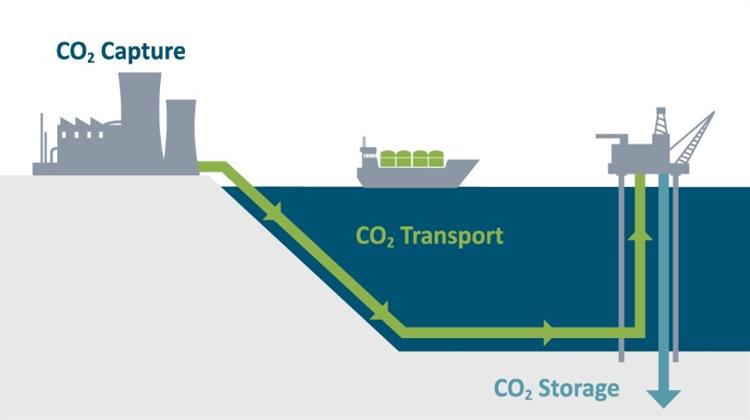
In May 2025, the EU identified 44 oil companies whose combined production and exploitation amounted to 95% of the amount of crude oil and natural gas produced in the EU during the period 2020 – 2023. These oil companies are now legally obliged to develop, in proportion to the production they had, underground CO2 storage projects with a total capacity of 50 million. per year by 2030. Behind this legal obligation lies the fact that oil companies have the technology and capital needed to develop these large-scale projects.
On the other hand, the oil companies claim that the target assigned to them by the EU is not technically achievable, as such large infrastructures cannot become operational in such a short period of time. Underground carbon dioxide storage projects require geological surveys, permits and investments which, depending on the case, take from 5 to 13 years to be carried out.
They also argue that the imposition of such obligations creates conditions of unequal competition, as oil companies outside the EU are not subject to similar commitments. This could lead to a loss of market share and enhance competition from third countries, undermining the European energy industry at a time when strategic autonomy is critical.
To date, 15 oil companies have taken legal action against the EU seeking the withdrawal of the legal obligation imposed on them to develop underground CO₂ storage projects. In the context of this ongoing legal confrontation, the question that now acquires particular importance is whether the target set by the EU for the possibility of underground storage of 50 million tons. within the EU by 2030 is technically feasible.
Energia.gr - Articles - January 8, 2026
Authors: Evangelos Flitris & Yannis Bassias