From Green Slogans to Network Physics: The Innovations Shaping the Energy System of 2030
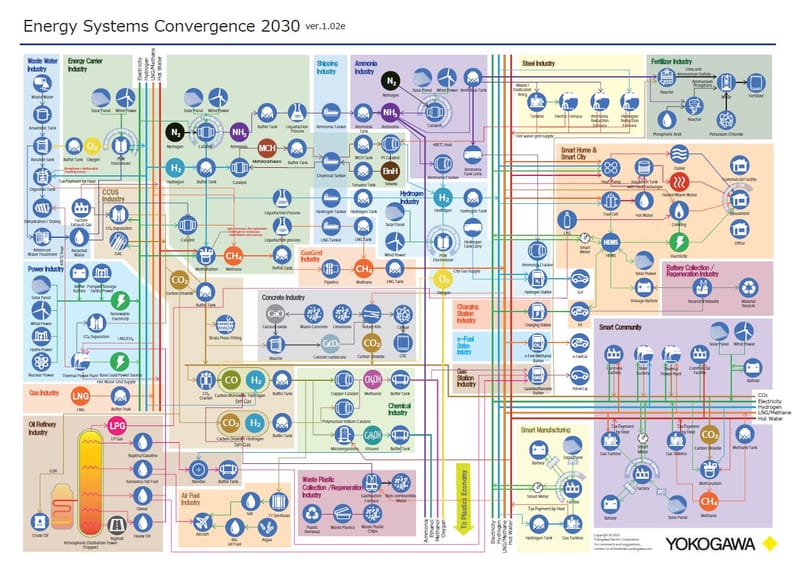
The energy transition of the early 2020s was presented as a moral and political imperative. But from 2026 onwards, the debate changed radically, shifting the focus from ideological pronouncements to tough technical realities, material availability, and industrial competitiveness. The path to 2030 is no longer about announcing targets, but about resolving the physical, economic, and infrastructural parameters that will determine whether decarbonization can proceed without destabilizing networks or bankrupting entire industries.
Three forces dominate the new landscape: the need for grid stability under extreme RES penetration, the cost and scarcity of critical materials, from copper and aluminum to gallium, and the utilization of existing fossil fuel infrastructure to avoid stranded assets. Innovations emerging in pipelines, storage, fuels, and regulatory frameworks reflect this shift toward realism.
The energy transition is not a single technological narrative. Some innovations concern the physical behavior of the grid, conductivity, stability, and thermal management, while others shape the energy mix, storage, and industrial architecture of the coming decade. The energy system of 2030 will not be shaped by slogans like those of previous decades, but by physics, materials, and economics. The question is whether Europe will adapt in time, or whether reality will violently adjust its ambitions.
Energia.Gr - By Invitation - Tuesday, February 24, 2026
Author: Yannis Bassias