Greece at the Energy Crossroads: The Cost of Imports and Exports
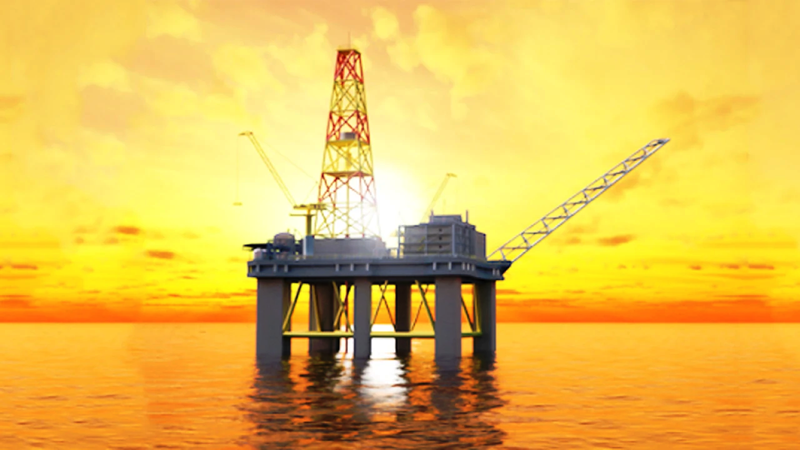
The Eastern Mediterranean and North Africa are turning into arenas of intense energy competition, with Greece at the center. The United States seeks to link the Balkans with Central Europe through imported LNG. With its infrastructure in Revythousa and Alexandroupoli, Greece assumes a strategic role as both entry point and transit hub for LNG. From 2026, when Russian gas imports are banned, Bulgaria, Serbia, and North Macedonia will be supplied via Alexandroupoli. The program will extend further to Bulgaria, Romania, Moldova, and Ukraine, strengthening regional interconnection.
At present, gas exports to the region remain limited at around 2 billion cubic meters to Bulgaria, 1 to Romania, and 4 to Ukraine. The target, however, is ambitious: to raise volumes to 25–30 billion cubic meters annually. Achieving this leap will require major infrastructure investments over the next three years. With future transit volumes expected to grow, Greece plans to reduce transport fees by 10%, enhancing its competitiveness and consolidating its position as a critical hub in Europe’s energy chessboard.
Meanwhile, the Adriatic and Ionian Seas are emerging as another vertical energy corridor. Regasification terminals south of Venice and Ravenna, together with the facility on Croatia’s Krk island, provide a combined capacity of about 20 billion cubic meters per year. Albania may eventually host a fourth regasification terminal. This concentration of infrastructure explains the rising interest in Block 2 of the Ionian Sea, west of Corfu. The area is now linked not only to the prospect of hydrocarbon production but also to its integration into a broader energy axis, serving as a bridge between the Mediterranean and Central Europe.
NEA KRITI / OPININONS - Friday, November 21, 2025