How Europe Kept the Lights On: The Gas Suppliers of 2025
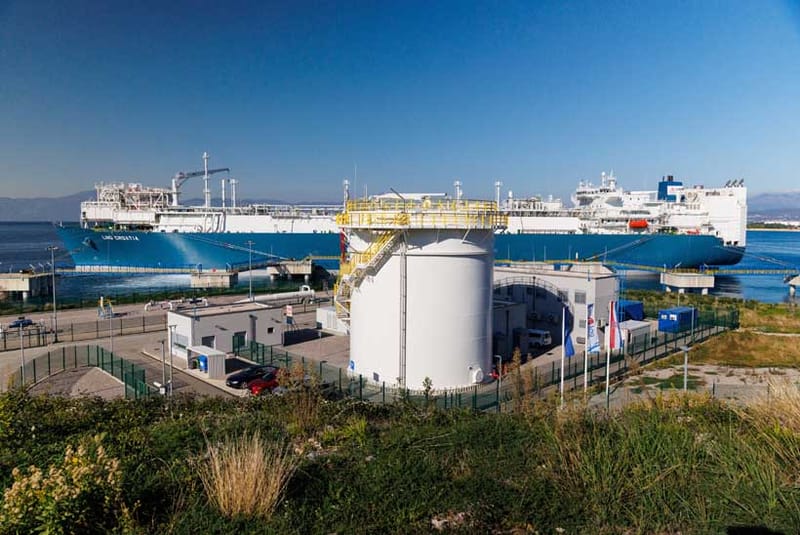
Europe’s energy security now rests on a new triptych: predictable gas pipeline flows with some LNG from Norway, LNG imports from the United States and Qatar, and the regional LNG hubs that have emerged as critical entry points, Greece, Croatia, and Italy. These three hubs, anchored in the infrastructures of Revithoussa–Alexandroupolis, Krk, and Ravenna–Venice, allow Europe to redistribute cargoes efficiently and push regasified LNG deep into the continent from the south. Shortfalls from Algeria and Egypt are increasingly absorbed through TAP, the IGB, reverse flows along the Trans‑Balkan corridor, and the flexibility provided by the three southern LNG gateways.
In this new architecture, the TTF has effectively become the international “signal” that determines where LNG cargoes will move. Europe, operating without extensive long‑term contracts and relying heavily on the spot market, must keep the index at levels capable of attracting cargoes away from Asia. When Asian demand rises, the TTF must rise with it to preserve Europe’s pull on global LNG flows, with immediate and visible consequences for energy costs faced by households and businesses. Europe’s security, therefore, is no longer defined only by molecules and pipelines but by its ability to remain competitive in a globalized, price‑driven LNG market.
Modern Diplomacy - Energy - December 25, 2025
Author: Yannis Bassias
https://moderndiplomacy.eu/2025/12/25/how-europe-kept-the-lights-on-the-gas-suppliers-of-2025/