LNG, Inflexible Market and the Challenge of Energy Transition
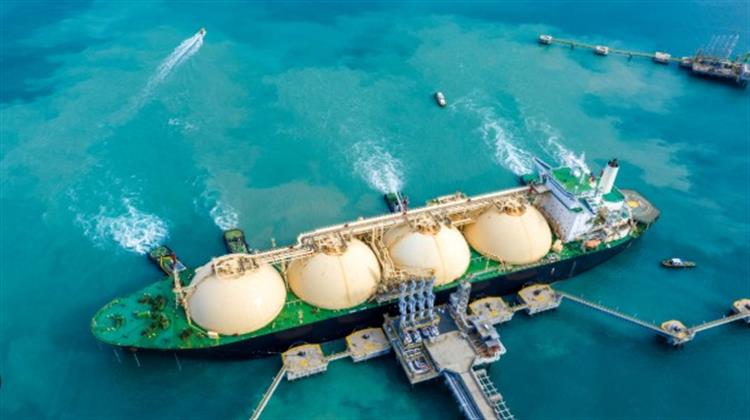
In the energy economy, elasticity describes the ability of supply to adapt to changes in demand. LNG is a typical example of an inflexible market: the construction of liquefaction plants, terminals and transport infrastructure takes 5-7 years and huge investments. Thus, even when demand grows sharply, as happened in Europe after 2022, supply cannot respond immediately, boosting price volatility. However, in addition to technical and manufacturing constraints, inflexibility is also reinforced by external factors: wars, geopolitical competitions and disruptions in supply chains, which can sharply limit the available offer.
Historical examples of inflexibility
The inflexibility of supply is not a new phenomenon. In 1949 demand grew rapidly as Europe and Japan resumed industrial production but infrastructure was destroyed and production capacity was limited. In 1972 and 1973 world demand had skyrocketed but oil supply remained rigid and the OPEC embargo merely revealed an already structurally inflexible market. In 1979 the Iranian Revolution and the loss of production found a market with no room for flexibility, confirming that inflexibility was structural and not cyclical. These experiences are useful in understanding today's LNG market, especially in 2026.
2026 as a narrow passage
Large liquefaction projects are under way but new production capacity will not be marketed in 2026. Demand will continue to grow mainly in Asia, while Europe will meet some of its needs with spot shipments. This creates a supply gap. Demand is growing but the new supply has not yet arrived. 2026 is a narrow passage in which the market remains sensitive to any disturbance from a cold winter to a geopolitical tension or a technical failure in a liquefaction plant. This situation is not due to a crisis but to the timing of investments as new production will arrive massively after 2027 and 2028.
Structural causes of inflexibility
The inflexibility of LNG is embedded in the nature of the product and its value chain. The liquefaction process is extremely energy-intensive, raw material prices increased and supply chains vulnerable to geopolitical tensions. Transport requires specialised ships, while storage and regasification are based on high-cost infrastructure and long construction times. These factors make the LNG market structurally inflexible and enhance volatility, making it vulnerable to external vibrations.
When a market is both inflexible and expensive, volatility becomes inevitable. LNG prices can rocket or fall within short periods, affecting the competitiveness and energy security of importing countries. For Europe, which increasingly relies on LNG after 2022, this volatility is not just an economic issue but a strategic one, as price stability and freight availability cannot be taken for granted in a market where supply cannot grow quickly and costs remain high.
Policy options to reduce inflexibility
The inflexibility of the LNG market is not inevitable. It can be contained through targeted policies that enhance supply flexibility and reduce exposure to external vibrations. The priority is to diversify sources of supply so that Europe is not dependent on a few producers. The continent already has sufficient regasification plants and what is needed is strengthening storage infrastructure that smoothes seasonal fluctuations and reduces the need for spot purchases. Long-term contracts offer predictability of prices and quantities. Technologies that reduce liquefaction and transport costs and new lower-consumer ships gradually increase the elasticity of supply.
None of these policies completely eliminates inflexibility, but together they can reduce it substantially. But wars and geopolitical tensions continue to disrupt the market and change the investment environment. These fluctuations also affect the pace of adoption of new hydrocarbon technologies as their economic viability often depends on high prices and access to capital in t Is imes of uncertainty.
Energia.Gr - Analyses - Thursday, March 19, 2026
Author: Yannis Bassias
https://www.energia.gr/article/242480/lng-anelastikh-agora-kai-h-proklhsh-ths-energeiakhs-metavashs