Anelasticity Weekly Briefing 3- European Energy Systems - Week ending Saturday, 8 August 2026
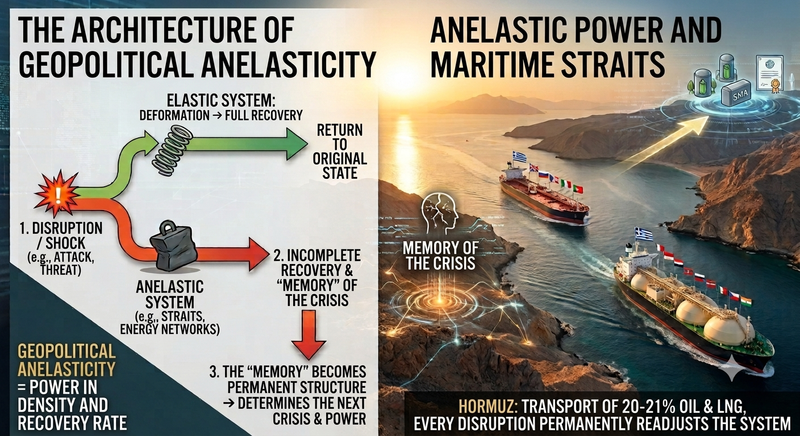
Anelasticity Weekly Briefing 3 - European Energy Systems - Week ending Saturday, 8 August 2026
Layer | Key Week Parameters (Mon–Wed) | European Industry (EU–UK–Med–Nordics–CEE) |
Oil & Liquids | Mediterranean premia stabilize at high levels, but new volatility emerges after yesterday’s drone incursions over Bulgaria and Germany, triggering temporary airspace restrictions and precautionary shutdowns of several logistics corridors. Insurance markets tighten further. Refiners begin micro‑adjustments in crude slates to reduce exposure to long‑haul routes. North Sea operators report minor maintenance outages. | EU Med: Italy and Greece shift crude diets toward shorter‑haul suppliers (Algeria, Libya). Spain increases spot purchases to offset voyage uncertainty. Germany: Drone overflight tightens inland transport security protocols; refiners report minor scheduling delays. Bulgaria (CEE): Drone incident near the Black Sea corridor raises regional risk premia; operators temporarily reroute product flows inland. UK: North Sea maintenance slightly reduces flows. Traders price short‑term tightness. Nordics: Norway’s flows remain stable; shipping adopts wider avoidance arcs. CEE: Import premia rise again. Refiners show minimal elasticity. |
Gas & LNG | LNG corridor stiffness worsens as two carriers divert mid‑voyage. Qatar–EU voyage times extend further. TTF shows a mid‑week upward correction driven by weather‑driven demand. Storage refill slows due to heatwaves and industrial restarts. Southern Europe sees new regas scheduling conflicts. Cyprus’s imminent gas production introduces a new East Med supply node. Early commissioning activity increases offshore traffic, prompts preliminary routing simulations, and begins reshaping medium‑term LNG balancing expectations across the Mediterranean. Oman–Iran discussions add uncertainty to Gulf export stability, while Saudi positioning on an “Islamic NATO” injects short‑term volatility into corridor‑risk premia. | EU: TTF rebounds; storage refill drops below 5‑year norms. Cyprus’s upcoming flows begin appearing in medium‑term procurement models, improving future elasticity but adding short‑term operational friction. UK: NBP rises in parallel. LNG arrivals uneven with two diversions. Gulf diplomatic uncertainty increases forward‑curve sensitivity. Med: Italy and Spain face fresh congestion. Operators adjust regas windows. Cyprus’s new supply node prompts early recalibration of regional LNG routing and terminal coordination. Nordics: Pipeline flows stable. Low LNG exposure shields volatility. CEE: Corridor‑risk premia increase; pipeline import scheduling tightens as Gulf and East Med uncertainties feed into long‑distance pricing models. |
Power Systems | Heatwaves intensify peak‑hour stress. Germany’s north–south constraints worsen, increasing curtailment. France faces renewed nuclear derating from river‑temperature limits. Italy’s gas‑fired units face LNG‑driven fuel‑timing uncertainty. Several flexibility projects slip. Cyprus–Greece interconnector talks resume, adding a medium‑term grid‑elasticity signal as financing and HVDC routing are revisited. | Germany: Curtailment rises; redispatch costs increase. France: Nuclear derating risk returns. Hydropower elasticity remains limited. Italy: Peak premia widen. Gas‑fired scheduling tightens. Eastern Europe: Coal dispatch increases. Heat stress persists. Nordics: Hydropower stable. Minor elasticity issues. UK: Battery project delays continue. Peak premia rise. Cyprus–Greece: Renewed interconnector talks trigger updated feasibility modelling and early HVDC alignment for future East Med–EU grid integration. |
Nuclear & SMRs | France’s ASN signals additional documentation requirements, slowing licensing further. Poland and Czechia report supplier‑side delays due to corridor instability. UK nuclear output stable but maintenance windows shift due to heat. Supply‑chain fragility increases as Asian component shipments reroute via Cape. Several SMR consortia initiate design‑revision cycles for new component constraints, adding 3–6 month slippages to milestones across Central Europe. | France: ASN cadence slows further; no acceleration signals. Poland/Czechia: SMR timelines slip again; procurement uncertainty rises. UK: Stable baseload; maintenance rescheduled due to heat. Nordics: Finland and Sweden SMR movement limited. Med: Italy remains non‑nuclear; focuses on grid reinforcement. Central Europe: Poland and Czechia request updated delivery schedules. Engineering packages are re‑sequenced to reflect longer Asian–EU shipping routes. |
Geopolitical Corridors | East Med diplomacy accelerates around Egypt–Cyprus–Israel gas coordination. Greece–Italy corridor gains new political momentum after bilateral meetings. Balkan corridor planning intensifies. EU shipping continues Cape detours. Additional carriers announce permanent rerouting. Greece–Cyprus discussions resume, linking energy diplomacy with renewed interest in the EuroAsia Interconnector and broader East Med–EU grid integration. | Greece–Bulgaria: Corridor momentum increases; new technical working groups formed. Greece–Italy: Political focus intensifies; interconnector timelines reviewed. Greece–Cyprus: Diplomatic engagement around the electricity cable and East Med energy integration, revisit financing, routing, and regulatory alignment. East Med: Diplomatic activity rises around regional gas axes. UK/EU: Cape detours become semi‑permanent. Insurers adjust pricing models. CEE: Corridor‑risk premia remain elevated. |
Market & Behavioral Response | Insurance premia rise again after Gulf drone strikes. Utilities adopt even more defensive procurement, shifting to multi‑month hedging. Traders reduce spot exposure. Corridor‑risk pricing intensifies across LNG and crude. Drone incursions over Bulgaria and Germany add inland transport‑risk premia. Gulf diplomatic uncertainty (Oman–Iran + Saudi “Islamic NATO” signaling) increases forward‑curve volatility. Renewed Greece–Cyprus interconnector discussions introduce a medium‑term stabilizing signal but no short‑term behavioral change. Several infrastructure operators delay non‑critical project milestones. Regas terminals adjust maintenance windows and LNG buyers extend tender validity periods to accommodate routing volatility. Anelasticity becomes visible as procurement reactions lag behind corridor shocks, with hedging behavior persisting even after immediate risks ease. Hysteresis emerges in insurance pricing and routing choices: once premia rise and detours are adopted, operators do not revert quickly, embedding higher baseline costs into future behavior. | EU: Defensive procurement deepens; long‑term contracts dominate. Inland transport‑risk premia incorporated into refinery scheduling. Anelasticity: Utilities maintain elevated hedging levels despite partial normalization of flows. Project impact: Two utilities postpone flexibility tenders; one TSO shifts transformer delivery windows due to corridor uncertainty. UK: Corridor‑risk hedging increases; spot exposure reduced. Hysteresis: LNG terminals retain stricter berthing protocols even after immediate risks fade. Project impact: Commissioning checks extended. Med: Opportunistic buying nearly absent; premia prohibitive. Anelasticity: Regas congestion leads to prolonged scheduling caution. Project impact: Italy and Spain delay minor regas maintenance. CEE: Discounts sought on long‑distance pipeline imports; limited success. Bulgaria’s inland risk premia rise. Hysteresis: Pipeline operators maintain widened safety buffers after drone incursions. Project impact: Bulgaria pauses non‑urgent refurbishment works. Nordics: Stable procurement; low corridor exposure. Anelasticity: Hydropower operators maintain conservative dispatch patterns despite stable conditions. Project impact: No major shifts; standard scheduling preserved. |
Note for Market & Behavioral Response : Anelasticity appears where procurement, routing, and project decisions adjust slowly and only partially after shocks, showing lagged and incomplete recovery rather than an immediate return to normal. Hysteresis appears where insurance premia, corridor detours, and safety buffers remain elevated even after conditions ease, creating path‑dependent behaviors that do not revert to previous baselines.