Continuous Instability in the Gulf and the Shockwaves of the Ukraine War
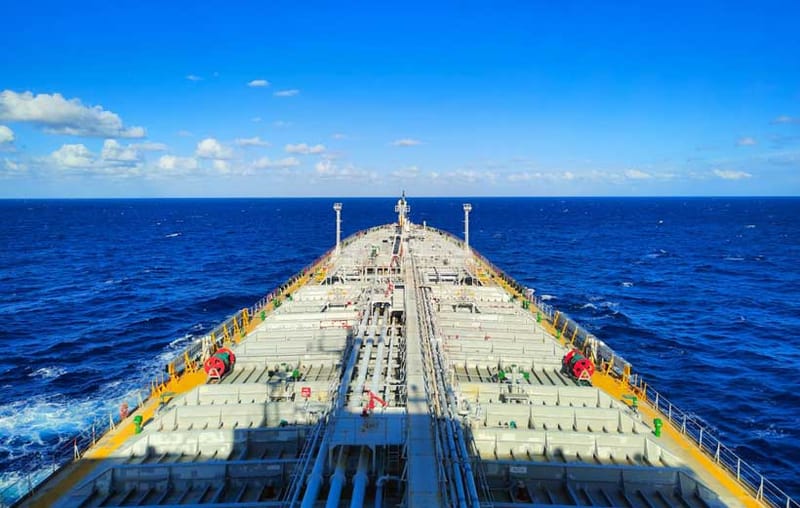
The Tilted Tower
The Gulf and Ukraine are no longer separate crises, functioning instead as interlocking stress fields, where instability in the Gulf increases the sensitivity of global markets to disruptions in Ukraine. Disruptions linked to Ukraine increase the sensitivity of markets to tensions in the Gulf. The same dynamic extends through Poland, Denmark, Egypt, the Black Sea, the Dardanelles, and the Caspian. When these regional pressures align, the global energy tower tilts, and once it tilts, it does not straighten again, rendering the deformation permanent.
Global energy architecture has lost its ability to reset, with Gulf instability proving permanent, Ukraine’s shock ongoing, Qatar’s LNG disruption lasting years, Hormuz’s closure lacking guaranteed resolution, the Caspian losing its insulation, the Danish Straits turning into a strategic hinge, and surrounding regions remaining active stress fields.
The shocks of tomorrow will strike a system already deformed by the shocks of yesterday, taken together, this accumulated stress reveals a system far from normality, operating under continuous strain, with no meaningful interval for recovery. Overlapping crises do not dissipate, reinforcing each other instead, creating a reality where modest disturbances can trigger massive international disruptions, proving that instability is no longer an exception, but the defining structural condition of the decade.
Modern Diplomacy / Energy Geopolitics, Sunday, August 2, 2026