The Great European Energy Paradox: How Every Solution Created a New Challenge
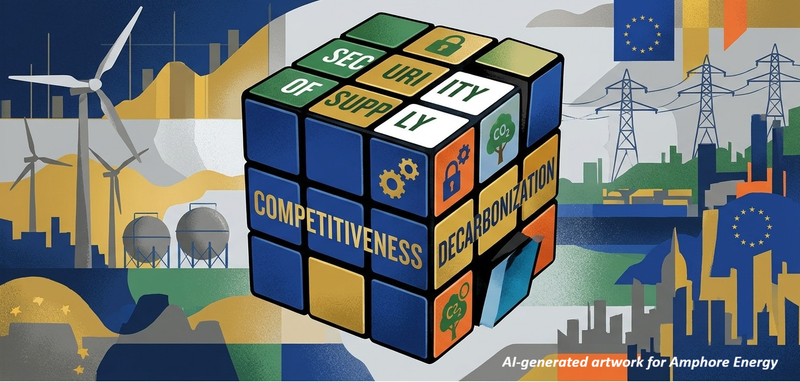
For more than two decades, European energy policy has pursued three ambitions simultaneously: affordable energy, strategic autonomy and decarbonization. Individually, each objective appears rational and politically defensible. Collectively, however, they have often proven difficult to reconcile. The history of European energy policy since the early 2000s can therefore be read as a succession of paradoxes in which the solution to one problem repeatedly created another. The debate surrounding Russian gas, LNG imports, storage targets and new transport corridors is not merely an energy discussion. It is the latest chapter in a longer story in which Europe continuously exchanged one vulnerability for another while pursuing security, competitiveness and sustainability.
The six paradoxes examined below illustrate how cheap energy generated strategic vulnerability, how diversification produced new dependencies, how decarbonization encouraged further gas investments, how geopolitical ambitions surrounding transport corridors often exceeded market realities, how physical security gradually overshadowed economic affordability and, finally, how Europe largely solved the problem of supply availability only to become increasingly exposed to global LNG pricing and competition from Asia.
The article is accessible on: Modern Diplomacy / Energy Security, Wednesday, November 4, 2026 https://moderndiplomacy.eu/2026/11/04/the-great-european-energy-paradox-how-every-solution-created-a-new-challenge/
Amphore Energy image is AI generated